Puerto Rico’s Water Crisis, Again: Inside the Superaqueduct Break and the Decades of Neglect Behind It










Puerto Rico has spent much of the summer dealing with a water crisis that keeps circling back, and it’s not really about drought this time, it’s about infrastructure that’s been falling apart for years.
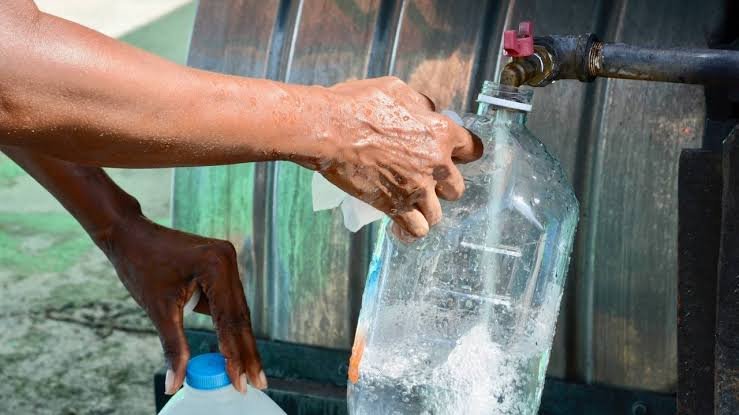
The latest round started in mid June when the island’s 72 inch Superaqueduct line in Bayamón ruptured at three separate points. That pipe is a major artery for the San Juan metro area, so when it failed, more than 120,000 customers were left dealing with low pressure, spotty service, or no water at all. Close to 40,000 households lost water completely just in the first weekend.
Governor Jenniffer González activated the National Guard, sending out trucks carrying thousands of gallons of water and even repurposing milk tankers to help reach hard hit communities. She also froze prices on bottled water and ice so people couldn’t get gouged during the emergency. Crews used concrete reinforcement to stabilize the broken line, and PRASA, the island’s water authority, slowly brought the system back online over the following days to avoid triggering new breaks.
The bigger issue underneath all of it is decades of deferred maintenance. Officials and independent estimates both point to the same uncomfortable number, close to 50 to 60 percent of all treated water on the island is lost before it ever reaches a home, through leaks, aging pipes, and faulty metering. Some communities on the east side of San Juan had already been living with intermittent service for almost a year because of a separate pump failure from back in 2025, one that was declared an emergency but didn’t get funding approved until months later.
That funding delay became a real flashpoint. The Puerto Rico Senate held hearings grilling PRASA leadership and the mayors of San Juan and Bayamón over why repairs kept stalling despite the system clearly being in crisis mode for a long stretch.
Since the Superaqueduct repair, PRASA’s president has said the agency is starting an aggressive inspection and maintenance push, along with a deeper study of the Superaqueduct itself to figure out how to make it more resilient going forward. The timing matters too, since a moderate drought has been creeping into southern parts of the island and this year is on pace to be one of the hottest on record, both of which put even more strain on a system that was already struggling before any of that kicked in.
So where things stand now, the immediate emergency from the June rupture has mostly stabilized, but the underlying fragility of Puerto Rico’s water system hasn’t gone anywhere. Whether the new maintenance push actually holds up will probably determine if this becomes a one time scare or just the latest chapter in a much longer pattern.
