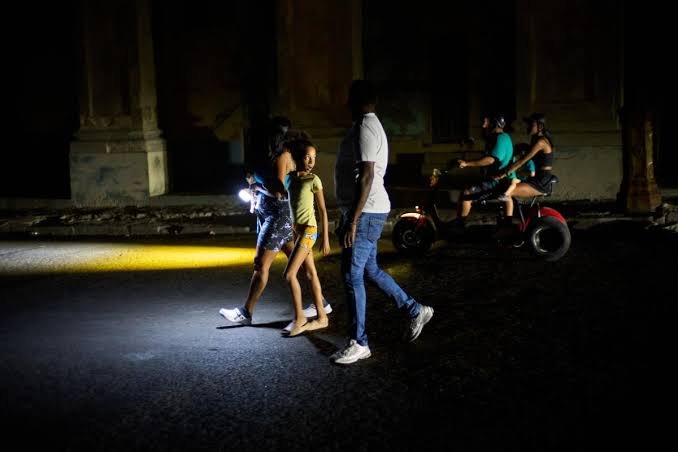
Inside Cuba’s Worst Crisis in Decades: Blackouts, Shortages, and a Standoff With Washington







Cuba is going through one of the roughest stretches it’s seen in decades, and the numbers behind it are stark. The island of roughly 10 million people has been hit with nationwide blackouts repeatedly this year, at least eight since late 2024, with some neighborhoods in Havana losing power for over 24 hours straight and rural areas going without electricity for more than 70 hours at a stretch.
The core problem is fuel. Cuba’s power plants are old and depend heavily on imported oil to keep running. Since January, the United States has effectively blocked nearly all oil tankers from docking on the island, with only a single shipment from Russia getting through. That blockade followed the U.S. removing Venezuelan leader Nicolás Maduro from power, which cut off another major source of fuel Cuba had relied on. Without enough fuel, the power grid keeps collapsing, and each collapse takes longer to fix because the system is so strained.
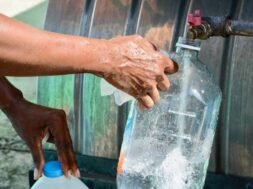
The ripple effects go well beyond the lights going out. Hospitals have had to postpone surgeries. Waste collection has broken down in parts of Havana, leaving trash piled in the streets. Food, clean water, and medicine have all become harder to find. The United Nations has pointed to a growing humanitarian emergency as conditions keep sliding. Cuba’s health minister has said the blockade is pushing the country’s healthcare system to the brink.
Cuba has tried to lean harder into solar power to cut its dependence on imported fuel, but renewables still only make up about 10 percent of the country’s energy mix, nowhere near enough to offset the shortage.
The frustration on the ground has started spilling into public view. Protests have broken out in Havana, with residents banging pots and pans and chanting for the power to come back on, a rare and risky move in a country where public dissent is tightly controlled.
The two governments involved tell very different stories about why this is happening. Cuban President Miguel Díaz Canel has accused Washington of trying to trigger what he called a social explosion through deliberate deprivation. U.S. officials counter that the economic pressure is meant to force Cuba’s government to open up its political system and allow real foreign investment, arguing the blockade targets the regime rather than the Cuban people. Cuba’s National Assembly did pass a broad set of economic reforms last month aimed at opening things up, though it’s unclear yet how much that will ease the crisis on its own.
However you look at the politics behind it, the situation for ordinary Cubans right now is difficult by almost any measure, with basic services strained and a growing wave of people looking to leave the island as conditions keep deteriorating.
