


Black History Month is more than a calendar date. It is a time to honor the struggles, triumphs, and creativity of Black people throughout history. It began as Negro History Week in 1926, founded by historian Carter G. Woodson, to ensure that the stories, achievements, and contributions of Black Americans were remembered. By 1976, it expanded into Black History Month, giving an entire month to celebrate Black life, culture, and influence. For hip-hop, this month holds particular significance. Born in the Bronx in the 1970s, hip-hop emerged as a response to systemic neglect, economic hardship, and social exclusion, creating a voice for communities that had long been silenced.
Hip-hop is built on four foundational elements: MCing (rapping), DJing, breakdancing, and graffiti art. Some also recognize a fifth element, knowledge, which represents cultural awareness and social consciousness. These elements were not just entertainment; they were survival, expression, and resistance. Through them, Bronx youth transformed empty streets and community centers into spaces of creativity, unity, and political awareness.
As we celebrate Black History Month, it is important to recognize the pioneers who built hip-hop from the ground up:
DJ Kool Herc brought the first breakbeats to Bronx block parties, creating the rhythm that would become the heartbeat of hip-hop.
Grandmaster Flash turned turntables into instruments, inventing techniques like scratching and cutting that shaped the sound of the genre.
Afrika Bambaataa founded the Universal Zulu Nation, connecting hip-hop to social consciousness, unity, and activism in the Bronx and beyond.
The Cold Crush Brothers elevated MCing, group dynamics, and live performance, setting the standard for lyrical skill and stage presence.
The Fantastic Five and Lovebug Starski brought energy, harmonies, and innovation, helping define the performance and party culture of early hip-hop.
MC Sha-Rock of Funky 4 + 1 broke gender barriers, becoming one of the first female MCs to command respect on the mic.
Lady Pink, a Bronx graffiti artist, brought female vision to the streets, proving that women could shape the culture visually and politically.
These pioneers created hip-hop before mainstream success existed. They built its vocabulary, style, and community, leaving a legacy that continues to guide the culture today.
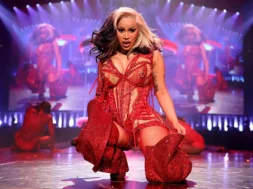
Modern Bronx voices like Cardi B carry this tradition forward. With her unapologetic representation of Bronx identity and Afro-Latina heritage, she connects the block parties, breakbeats, and MC battles of the 1970s to the global hip-hop culture of today. Cardi B’s music and presence demonstrate that the Bronx is still a center of creative energy and political expression.
Hip-hop is more than a genre; it is a living record of Black life, documenting struggles, joy, resilience, and resistance. During Black History Month, honoring its pioneers and current Bronx voices reminds us that Black history is alive, evolving, and revolutionary. Every beat, lyric, performance, and piece of street art continues to carry the political, cultural, and social weight of the movement from which it was born.